How to Track Flower Inventory and Reduce Waste
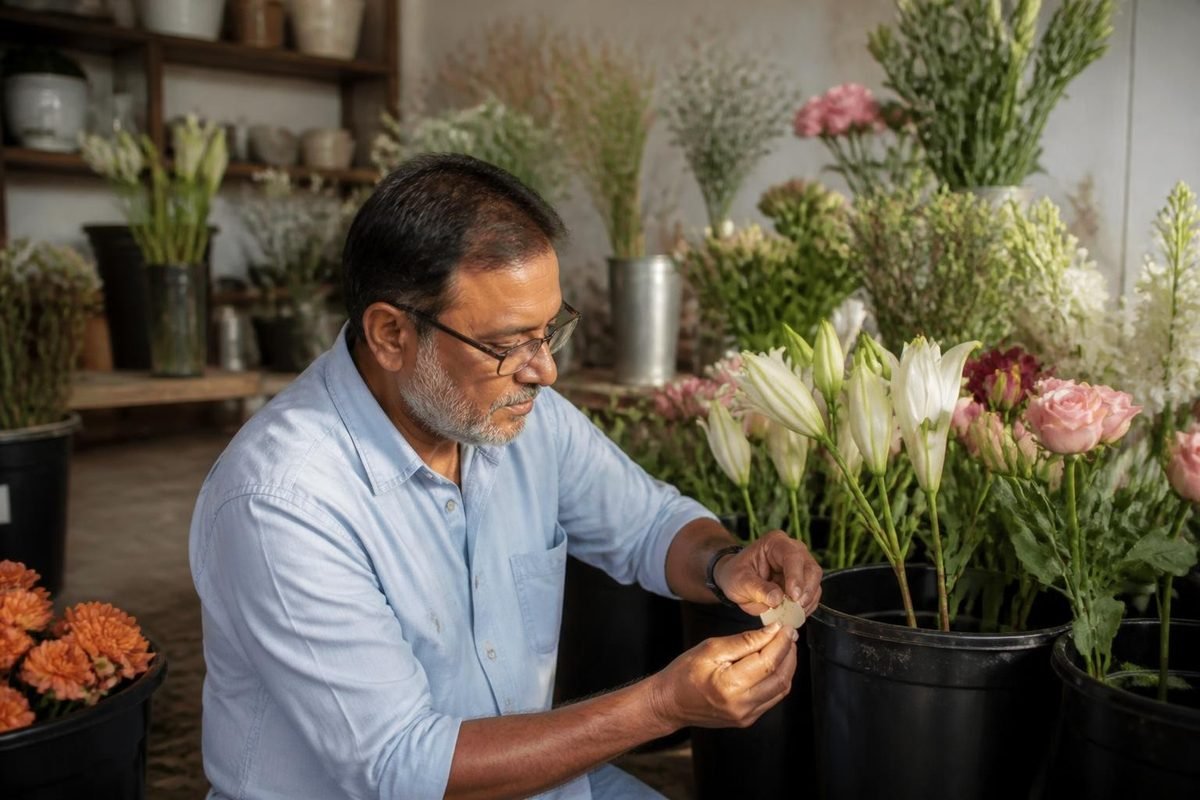
Track flower inventory by recording what arrives, where it goes, and what is left at the end of each day. Reduce waste by checking flower condition, using older stock first, and adjusting orders to match actual sales.
Start with a simple record
A spreadsheet, notebook, or inventory system can all work. The important part is keeping it current. Give each flower type its own entry and record the variety, color, number of stems, arrival date, and supplier. Note the storage location too, especially if flowers are split between a cooler and a workroom.
Count stems as they arrive rather than relying only on the delivery note. Record any damaged or unusable flowers separately. That gives you a clearer picture of what you can sell and helps you discuss recurring problems with a supplier.
Update the record as flowers are sold, used in arrangements, given away, or discarded. A count at closing can catch missed entries. It is not glamorous, but neither is finding a forgotten bucket of roses behind the cooler.
Check flowers and use older stock first
Look at your flowers every day. Check for wilting, browning petals, cloudy water, and damaged stems. Remove foliage below the waterline, use clean buckets, and refresh water as needed. Store flowers according to their needs, since not every variety handles cold in the same way.
Put older usable flowers where you can see and reach them first. Arrival date is a useful guide, but condition matters too. A delicate flower may need attention before a sturdier stem that arrived earlier.
- Label buckets with the flower name and arrival date.
- Move older stock to the front of its storage area.
- Set aside stems that need to be used soon.
- Record discarded stems and the reason for disposal.
Let your records guide orders
Review sales and waste regularly. Look for varieties that often sell out, as well as those that repeatedly end up in the discard bucket. Compare orders with upcoming events, confirmed customer orders, and your usual sales patterns. Order conservatively when demand is uncertain, and ask suppliers about delivery schedules so you know your options for replenishing stock.
Use sound flowers that are nearing the end of their display life in suitable smaller arrangements, if they still meet your quality standards. Be honest about their condition and avoid treating a tired stem as a fresh arrival. Creative work can save flowers, but it cannot turn back their clocks.
Common questions
How often should I count inventory?
Check stock daily and update it as flowers move. A more thorough count at regular intervals can reveal gaps between your records and what is actually on hand.
What waste should I record?
Record flowers discarded because of damage, poor condition, or age. Note the variety and reason so patterns are easier to spot.
Can a small florist use a spreadsheet?
Yes. A spreadsheet can track arrivals, usage, sales, and waste. Choose a method your team can update consistently.
Worth a look: flower delivery around the world